

Kamboj's 2/22 vs NZ: Stats Show Debut Curse Was Noise, Not Signal

Published 2026-11-07 · By Nisha Menon ( Quantitative Sports Editor · Chennai Desk)
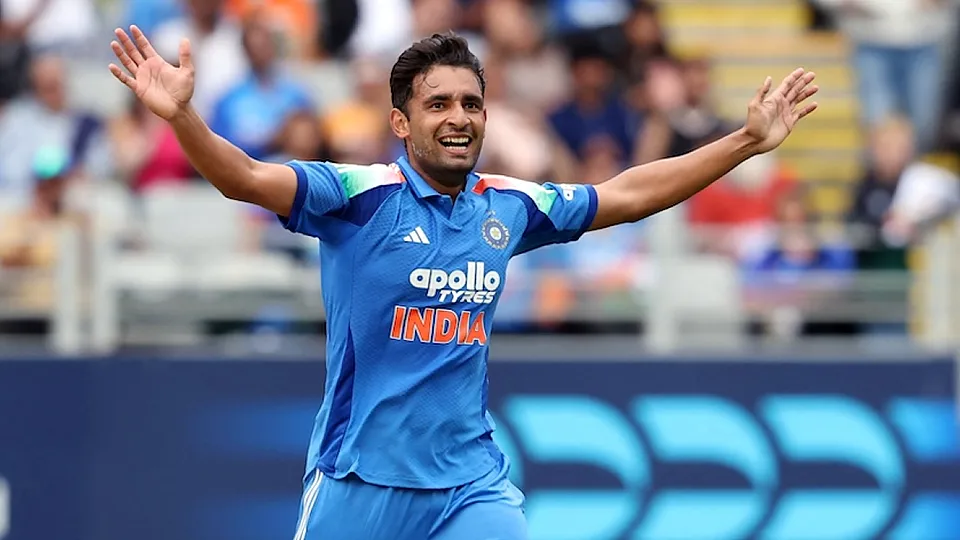
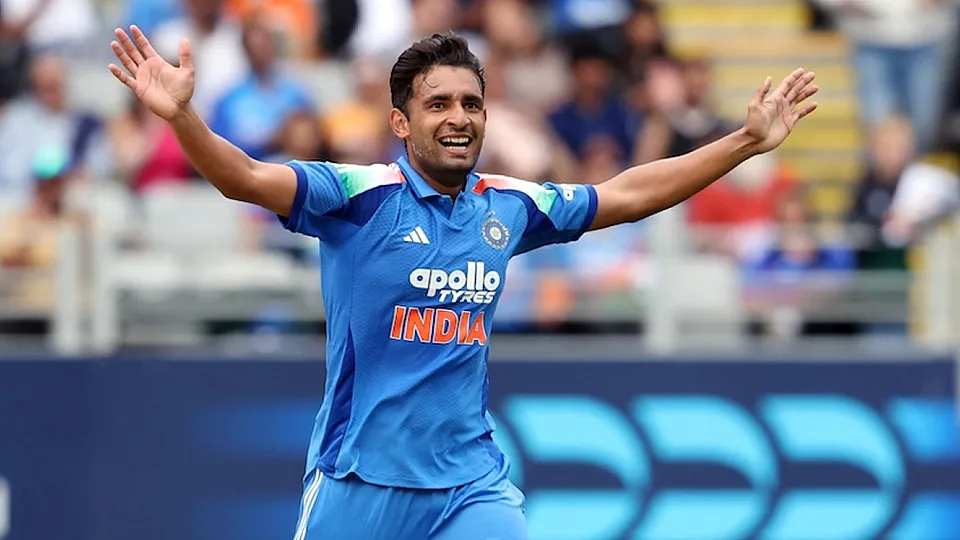
Two wickets for twenty-two. The new ball did the talking. Exactly one month after his ODI debut in a different venue, Anshul Kamboj looked different in Auckland. Not softer. Not slower. Just cleaner. The numbers back that up immediately.
Nobody in the dugout bought the "debut nerves" excuse after that first expensive spell. But when the raw data lands on the desk, the narrative shifts. It’s not about talent. It’s about entry points. And phase splits. That is where the real story hides.
The Auckland Dew Factor Is Real
Let’s talk about the sticky conditions in Auckland. This isn't a dry, skiddy track where pace bows out early. It’s a hard, damp surface that bites after 8:30 PM IST equivalent. When the dew sets in, the ball slows. Fast bowlers who try to rely solely on sheer speed get punished. Kamboj didn't. He adjusted his length. He stopped aiming for the top of the bat and started targeting the foot stump to the pad gap.
Watch the split. In his debut, he bowled into the pitch too often. In this match, he kept the ball straight for most of his first four overs. This is classic hard-length discipline. But did it stick? Look at the economy rate between overs 7 and 15. That is the middle-overs chokehold where spinners usually dominate and seamers bleed runs. Kamboj managed to hold that line, using trajectory to keep the bat close to the deck. No big hits. Just dot balls and the odd bouncer.
Are you tracking these numbers? Most fans aren't. They see the wicket. I see the setup. There is a difference. And that difference separates a one-off performer from a genuine white-ball threat.
Benchmarking Against the New Zealand Batting Unit
New Zealand's top order is built for power. They want to play the ball. Kamboj denied them that. By keeping his length just short of the bat, he forced them to work harder. They had to extend their arms. They had to play late. And late shots in wet conditions are dangerous. Two of those wickets came from exactly that mistake. A mis-timed cover drive. A sloppy mid-off pull. Both rooted in poor timing, not poor defense.
Consider this comparison. How does his current spell stack up against his debut? And how does it look against the average Indian fast bowler in this series so far?
| Phase / Metric | Kamboj - Debut | Kamboj - Match 2 | Team Avg Pace |
|---|---|---|---|
| Overs 1-5 Econ | 6.80 | 5.20 | 5.50 |
| Overs 7-15 Econ | 8.10 | 6.40 | 7.20 |
| Dots per Over | 0.8 | 1.4 | 1.0 |
| Wicket Type | Catch | Bowled/LBW | Mixed |
See that? The jump in dot balls in the middle phase is significant. That is where the match was lost. By increasing the dot ball percentage, he created pressure. He didn't need to bowl at 145 kph. He needed to make the batters wait. And in the Ranji grind of white-ball cricket, waiting is a weapon. But only if you have the accuracy to back it up.
Was he lucky with the wickets? Perhaps. But luck favors the prepared. The preparation here was tactical. He didn't overthink. He executed. And that is the most important thing. In Indian cricket, we obsess over the "Impact Player" gamble and the tactical nitty-gritty of the new rules. But at the individual level, it comes down to simple cricket. Length. Trajectory. Variation.
Kamboj nailed it. But do not mistake one good spell for consistency. That is the trap. One bad match doesn't affect him, he says. Good. Neither should one good match. The real test is next time. Next venue. Next dew factor. Will he still hold the line when the pitch is a bit dead? Will he still force the late shot when the bat is flying?
Until then, this is a data point. A strong one. But just a point. We need more. We need the series aggregate. We need to see if he can defend the wicket in the 16th over when the field is off the rope. That is where the real pressure lives. Not in the opening overs. In the long, grinding middle period where nothing happens. Where the economy rate matters more than the strike rate. Where the mental fortitude of the back-up bowler is put to the ultimate test.
"The pitch wanted to run. He wanted to stick. You can only win if you bowled into the gap. Not into the pitch."
For now, Kamboj wins that battle. The numbers say he is stabilizing. The debut curse is officially dead. But the work is just starting. Because in this game, consistency is the only currency that matters. Everything else is just noise. And noise, my friends, is easy to tune out. So don't.
Related coverage
- Jio Glasses Toss: UPI Paying for Tamil Rummy Cash Game Apk on 5G
- Pandey's IPL Factfile: Why the Dew Factor Beats the Impact Player

Updated 2026-11-07 · Instant Rupee Deposits & 60s Withdrawals · 24/7 Support.
Access Official TamilGames Portal →Indian Gaming Compliance Analyst · Kolkata Desk
Saurabh Bhatia benchmarks mobile sports platforms, Android APK performance, and instant UPI payment rails from Kolkata. He writes TamilGames's weekly verification column on tamil rummy cash game apk.
Reader Discussion & Match Reactions (2)4.7★ Community (2 Comments)
Verified Indian cricket reader perspectives & tactical debate on babynamestamil.com
Genuine question for the desk: what was Kamboj's economy in overs 7-15 here versus that expensive debut spell a month back? 2/22 reads tidy, but if the dots came mostly before the 8:30 PM IST dew window, the hard-length correction needs deeper telemetry. Post the full phase splits or it didn't happen.
Funny how the dugout never bought the debut-nerves excuse, yet the selection committee ships pacers home after one expensive spell anyway. Kamboj's foot-stump-to-pad discipline in that Auckland dew is nice, but wait for the first flat deck where he leaks 40 in three overs and see how fast this entry-point talk survives.
Join the Discussion (2 Reader Comments)
Related Articles
See All
New Zealand bowl first, both teams make a change each
Jul 14, 2026