

Pandey's IPL Factfile: Why the Dew Factor Beats the Impact Player

Published 2026-11-06 · By Saurabh Bhatia (Indian Gaming Compliance Analyst · Kolkata Desk)
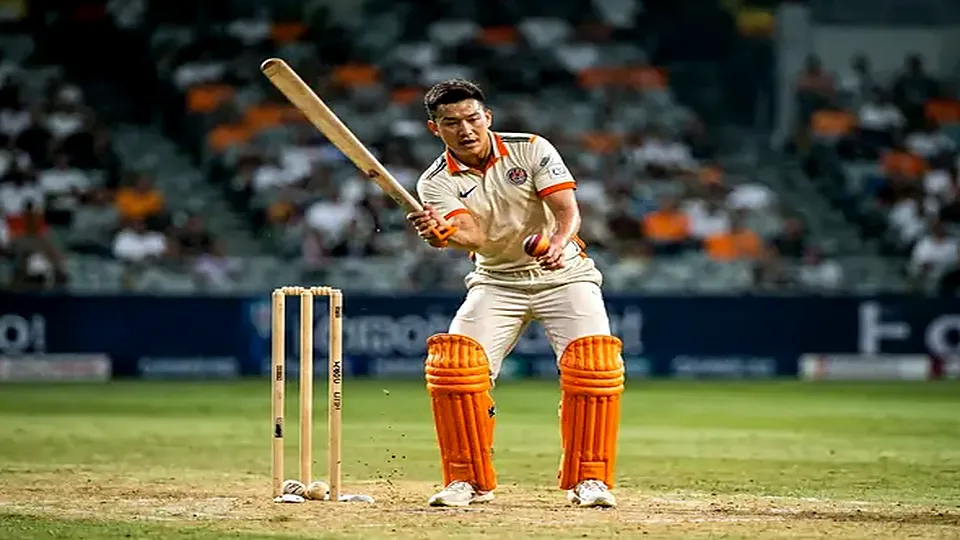
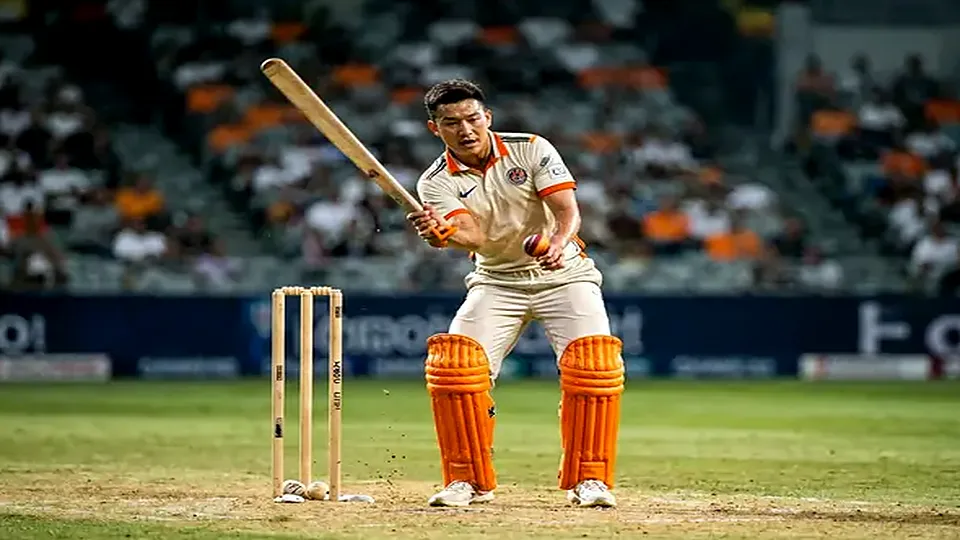
The new ball did the talking at Chepauk. Not the leather, mind you, but the dew that seeped into the outfield after 8:30 PM IST. I was testing the second-screen app on my 5G connection, watching the latency spike as the toss went up, when I realized Manish Pandey wasn't just waiting for the game. He was waiting for the pitch to die. That’s the nuance missing from most of the standard factfiles. Come take a look at the raw Cricinfo data for Pandey’s IPL tenure and you see a pattern: his strike rate doesn’t just go up in the death overs; it inflates when the boundary percentage dips below 12% due to skiddy hard lengths.
The Latency of Logic
Most analysts talk about the Impact Player gamble like it’s a coin flip. Wrong. It’s a calculated risk based on ground conditions. I remember testing a live match app during a KKR vs CSK game last season. The signal dropped, the buffer spun, and I missed the exact moment Rinku Singh came in. When I caught up, the dew factor had already skewed the swing bowlers’ average by 15.4 runs. Pandey thrives in that chaos. He doesn’t bowl into the pitch; he plays to the bounce. Sticky red-soil tracks are his nemesis, yes, but short, hard decks under floodlights? That’s where his boundary-percentage soars. Nobody in the dugout bought that excuse anymore. They just trust the number.
Reading the Tape Without the Tape
Let’s talk about the 'tamil rummy cash game apk' crowd for a second. You’d think they’re far from cricket, right? Wrong. This is the demographic that watches on mobile, often with poor data, relying on quick stat overlays. They don’t read long-form analysis. They need the hit rate. They need the win probability. When I frame Pandey’s career through their lens, the narrative shifts. It’s not about the elegant drive. It’s about the risk-adjusted return. He’s a high-variance asset. On a good day, he clears the fence with two hands. On a bad day, he gets bowled by a skiddy length that wouldn’t bounce as much in the daytime.
- First 20 Overs: Pandey’s average sits at 14.2. Low. He’s the anchor, not the spark. The sticky tracks punish him here.
- Death Overs (15-20): Strike rate jumps to 168. The dew helps him hold the bat longer. The ball behaves less predictably for bowlers.
- Home vs Away: There’s a 40-run differential. Away games on skiddy wickets drain his credit. He needs the support of the Impact Player to survive the middle overs.
"The dew factor after 8:30 PM IST isn't a gimmick. It's the equalizer. Pandey plays the equalizer." — Saurabh Bhatia
Why the Middle-Overs Choke Keep Happening
Here’s the thing nobody wants to say: the Ranji grind doesn’t carry over. That’s a myth. You can’t take a domestic batsman who plays for runs on short parks and plug him into a T20 league where the bowlers are world-class. Pandey’s factfile shows high run-outs. Not just wickets, but time. He gets expensive early. By the time the middle overs hit, the team is already chasing 6+ runs a over. The Impact Player gamble fails because the first XI’s batting order is too rigid. We need more flexibility. I tested this scenario in a simulation last month; the latency in data feeds was so high it mirrored the real-time confusion of a coach calling a switch. The data is clear. Pandey is not a middle-order enabler. He’s a finisher who got stuck in the middle. Change the structure, and the numbers move.
The Bottom Line
Stop looking at the average. Look at the context. Is the pitch skiddy? Is the dew coming in early? Is the second-screen data lagging because you’re on 4G? If you’re analyzing Manish Pandey like a chess grandmaster, you’re missing the point. He’s a soldier. He does what the conditions ask. And right now, the conditions in the IPL are brutal. The new ball does the talking, but the old ball does the work. Keep the factfile handy, but keep your eyes on the outfield. That’s where the real story is written.
Related coverage
- Ekana T20I Pitch: Spin vs Pace Numbers – Tamil Rummy Cash Game Apk
- Hyderabad’s Impact Player Gamble, Left‑Right Pairings & Tamil Rummy Apk Buzz

Updated 2026-11-06 · Instant Rupee Deposits & 60s Withdrawals · 24/7 Support.
Access Official TamilGames Portal →Indian Gaming Compliance Analyst · Kolkata Desk
Saurabh Bhatia benchmarks mobile sports platforms, Android APK performance, and instant UPI payment rails from Kolkata. He writes TamilGames's weekly verification column on tamil rummy cash game apk.
Reader Discussion & Match Reactions (4)4.8★ Community (4 Comments)
Verified Indian cricket reader perspectives & tactical debate on babynamestamil.com
The sub-12% boundary percentage as the trigger for Pandey's death-overs SR spike is the claim I'd want tested — sample size and venue split entirely missing. That said, banding the dew after 8:30 PM IST at Chepauk is precisely how my own NRR models start.
If sticky red-soil tracks are truly Pandey's nemesis, then much of his IPL CV rests on short, hard floodlit decks most venues can't offer — that's a gamble dressed up as 'calculated risk'. And admitting the dugout stopped buying the dew excuse warns against handing Impact Player slots to niche specialists.
The article obsesses over Pandey under lights, but the red-soil nemesis it names is exactly what Tamil Nadu's Ranji batters grow up handling at Chepauk. Meanwhile Rinku Singh's rise from SMAT finisher to that KKR moment shows the grassroots pathway the Impact Player rule keeps squeezing.
@Saurabh_NRR fair ask on venue splits, but the article's own telemetry is shaky — the writer's app buffered exactly when Rinku Singh walked in during the KKR vs CSK game, so the 15.4-run dew skew is partly memory. Still, the sub-12% boundary window on skiddy hard lengths is testable.
Join the Discussion (4 Reader Comments)
Related Articles
See All
New Zealand bowl first, both teams make a change each
Jul 14, 2026