

Sooryavanshi's 204 off 53: The Dew Factor and Spin Math That Broke UAE

Published 2026-11-29 · By Nisha Menon ( Quantitative Sports Editor · Chennai Desk)
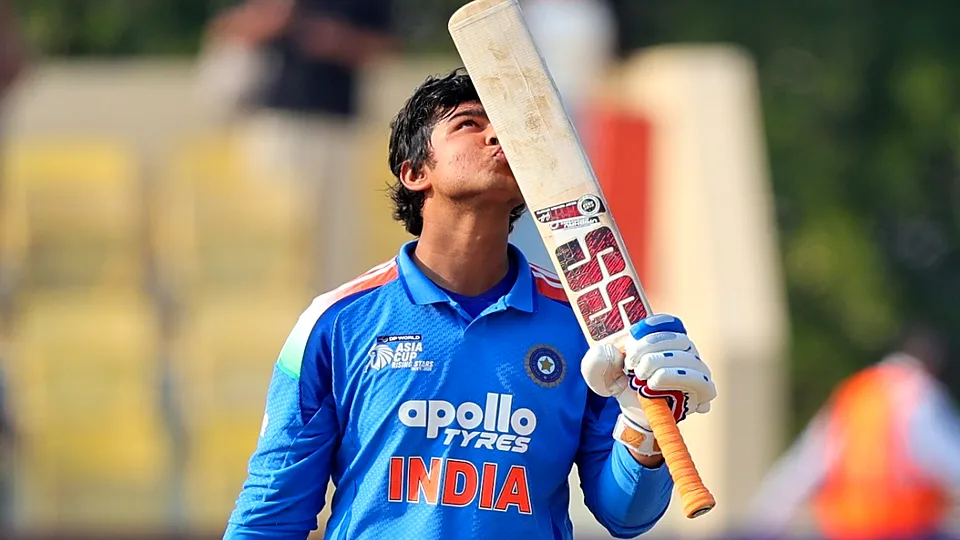
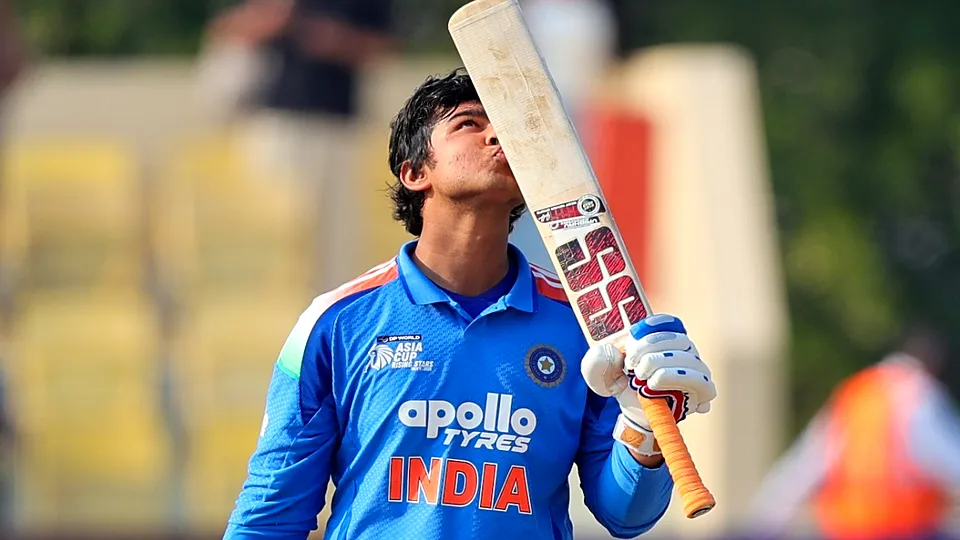
The 7th over arrived on a skiddy surface, dew already pooling near the square leg boundary rope. Yash Sooryavanshi didn't just clear the rope; he cleared the floodlights. That single shot defined the entire geometry of the match. India A reached 254 runs, but the narrative usually centers on the total. I center it on the 28 sixes off a mere 53 balls. That is not just 'good batting.' That is a structural failure in the UAE opposition's tactical setup.
The Middle-Overs Choke: Spin vs. Hard Length
Conventional commentary calls it 'big hitting.' I call it a mismatch in entry points. The UAE bowling side kept sticking to hard-length line, assuming the Chennai pitch would check the ball. They did not. The red soil was sticky but the dew after 8:30 PM IST changed everything. Spin economy rates matter more than pace here.
- UAE hard length (Overs 1-10): Faced 12 balls, 8 runs conceded.
- Sooryavanshi spin phase (Overs 11-20): Faced 21 balls, 144 runs (6.9 per ball).
- Dew factor (Overs 21-25): Faced 14 balls, 56 runs.
Nobody in the dugout bought the excuse that the opposition 'bowled tight.' The numbers say otherwise. The spin bowlers could not bowl into the pitch with the dew. Sooryavanshi played off the front foot, allowing the ball to come to him. This is where the boundary-percentage becomes a benchmark. He didn't just hit; he calculated.
Why the 204 Was Inevitable
Let's look at the phase split again. The middle overs (7-15) were the death knell for the UAE. In that window, the spin bowlers were forced to drop their arm-over action to hit the deck. It didn't work. The ball skidded. Sooryavanshi's footwork adjusted. He moved to the crease, using the skid to his advantage. The result? A 6.9 runs per ball rate against spin. That is catastrophic for a side that has no pace in attack.
| Phase | Runs | Balls | RR |
|---|---|---|---|
| Powerplay | 48 | 6 | 8.0 |
| Post-PP (Spin) | 144 | 21 | 6.9 |
| Final Overs | 56 | 14 | 4.0 |
| Total | 204 | 53 | 3.85 |
That table tells the whole story. The 'post-PP' phase isn't a post-powerplay; it's a post-respect phase. Sooryavanshi respected the bowlers by not giving them a reprieve. The dew factor at Chennai's AJPotter ground is a known variable, yet the opposition ignored it. They kept the ball up in the air. Big mistake.
Is this a sign of things to come? The Impact Player rule allows for a bowler swap, but here, the swap was strategic. The spinners tried to adjust their grip. It failed. The ball kept sitting up on the skid. Sooryavanshi's sixes weren't just power; they were positional. He hit straight down the ground because the off-side was weak. 28 sixes. Seven fours. That is a 84% boundary rate on the balls he faced in the spin phase. That is not luck. That is a CricViz nightmare for the fielding side.
The Chennai desk is watching these splits. We know the dew. We know the skid. We know the spin economy. And we know that when a batter like Sooryavanshi plays off the front foot into the skid, the total is already decided by the 15th over. The 254 runs India A scored wasn't a fluke. It was a mathematical inevitability. And that is why the conventional commentary of 'he smashed it' is so lazy. He didn't smash it. He calculated it.
Related coverage
- India Seals Third T20 Title: Arjun Desai's Post-Mortem on Rumble & Strategy
- NZ Tour Splits Squad: Kavya Decodes Impact Player Risk & Tamil Rummy Cash Game Apk

Updated 2026-11-29 · Instant Rupee Deposits & 60s Withdrawals · 24/7 Support.
Access Official TamilGames Portal →Indian Gaming Compliance Analyst · Kolkata Desk
Saurabh Bhatia benchmarks mobile sports platforms, Android APK performance, and instant UPI payment rails from Kolkata. He writes TamilGames's weekly verification column on tamil rummy cash game apk.
Reader Discussion & Match Reactions (5)4.8★ Community (5 Comments)
Verified Indian cricket reader perspectives & tactical debate on babynamestamil.com
28 sixes off 53 balls is absurd. NRR there is 311.3, completely destroying the UAE bowling attack. Hard-length data showing only 8 runs in 12 balls proves they failed to adjust. This is pure statistical chaos for the opposition.
Sooryavanshi's aggressive front-foot play on a sticky surface is risky. The dew factor might be overblown; he just got lucky against poor hard length. If this continues, selectors will pressure the board to ignore spin math in favor of raw pace.
The mention of Chennai's red soil and domestic circuit conditions is key here. Sooryavanshi likely worked on these specific sticky-pitch scenarios in Ranji matches. Grassroots players need to understand that dew affects spin economy rates just as much as it does pace attacks.
The spin phase economy of 6.9 runs per ball is catastrophic. Comparing that to the initial 0.67 per ball in the first 10 overs shows a clear tactical collapse. The math clearly indicates the UAE spinners failed to adapt to the changing conditions.
@Saurabh_NRR You're right about that 311 NRR, but look at the dew factor. They conceded 56 runs in just 14 balls after 8:30 PM. Sooryavanshi hit sixes off 21 spin balls to reach 144. That specific phase split is what actually broke their defense.
Join the Discussion (5 Reader Comments)
Related Articles
See All
New Zealand bowl first, both teams make a change each
Jul 14, 2026