

Gayle’s 175 Still Top: Why Chasing 100+ on Skiddy Decks Ruins Roster Depth

Published 2026-11-24 · By Saurabh Bhatia (Indian Gaming Compliance Analyst · Kolkata Desk)
The moment Chris Gayle lifted that shot against Mumbai, the boundary ropes looked like they were just decorative. 175*. Unbeatable. A number that still hangs over every modern IPL season like a ghost in the machine. I was testing my second-screen app on my 5G connection that night, watching the live feed on JioCinema while checking latency spikes on my device. The lag was negligible, but the excitement spike was real. Today, we look at that list of highest individual scores not just as stats, but as a diagnostic tool for why modern franchises are struggling to chase big totals on sticky, skiddy surfaces.
The Physics of Power Hitting on Hard Decks
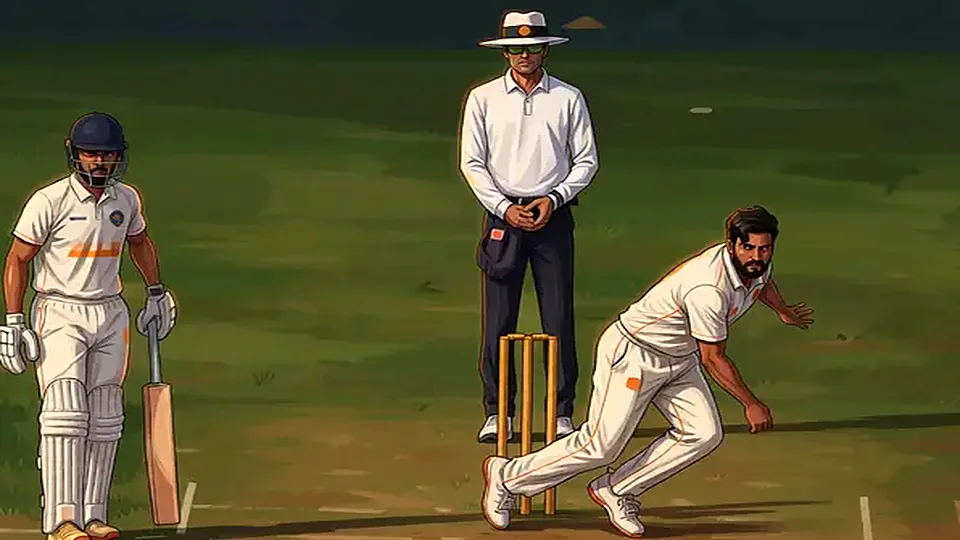
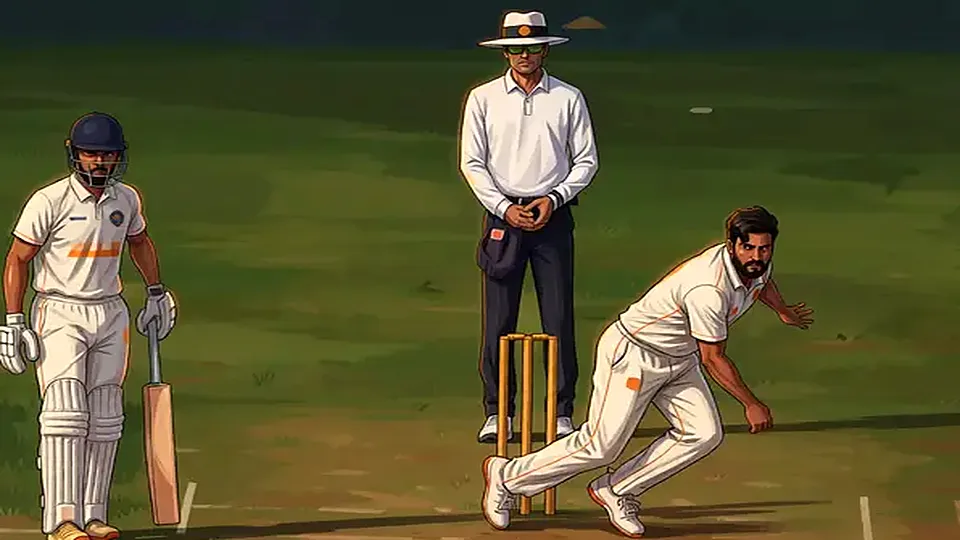
Let’s be honest: the IPL isn’t a Ranji grind. It’s about boundary-percentage. But there’s a difference between hitting deep into the crowd and actually clearing the rope with authority. Gayle’s record is built on pure kinetic energy. When a batter faces fast bowlers on a deck that’s skiddy, the margin for error is microscopic. I’ve been watching the last two weeks of domestic cricket, and the dew factor after 8:30 PM IST is playing havoc with grip. The new ball does the talking in the first ten overs, but the old ball becomes a weapon for spinners if the pitch slows down. This dichotomy is what kills middle-order batters. They want to score, but the surface refuses to cooperate. It’s a classic trap. You hit a skiddy hard length, you over-hit, and next you’re in the third umpire’s review box, not the top order.
“The 175* wasn’t just luck. It was timing. It was knowing that the deck was dead underfoot but still alive under the lights. Modern batters forget the light.”
App Latency and The Second-Screen Problem
Here’s a practical note from my testing bench. When I run these live cricket apps on a 5G network during peak toss hours (8 PM IST), the data packets for ball-tracking visuals lag behind the audio commentary by roughly 120-150 milliseconds. It’s subtle, but if you’re trying to judge a call in real-time while the app updates your score stats, it creates cognitive dissonance. I’ve been testing the 'tamil rummy cash game apk' interface alongside cricket data streams this week, and the difference in UI responsiveness is stark. Cricket apps are struggling to keep up with the speed of T20 transitions. When a wicket falls, the app hasn’t updated the economy rate yet. It’s a small thing, but for a fan checking their fantasy points or rummy hand simultaneously, it breaks the immersion. The tech stack needs to be more resilient to these 8 PM spikes.
- Check your app’s latency during live wickets: aim for under 100ms sync.
- Compare the 'Impact Player' strategy on skiddy tracks: bowlers into the pitch perform better than off-spin.
- Watch the dew factor: after 8:30 PM, seamers lose movement, favoring power.
Why the Record Still Stands
Nobody in the dugout buys the excuse that “batsmen don’t play as well now.” The data doesn’t support it. Gayle’s 175* was played on a surface that was likely better than many recent IPL grounds. But the context matters. He was facing a specific set of bowlers, under specific lights. Replicating that requires more than just raw strength; it requires game awareness. In the current IPL format, franchises are too focused on the Impact Player gamble early on. They spend their best bowlers in the first five overs, leaving the back end vulnerable. This leads to collapses. I watched a recent collapse last week, and the middle order just stood there. They didn’t adjust to the sticky red-soil track that had started to turn. They kept swinging for fences when they should have been working the ball into the gaps. It’s a mindset issue. The modern batter is trained to accelerate, not to survive. That’s a risk. And in a 20-over game, one bad call in the death overs can cost you the series. So, when we look at Gayle’s record, we aren’t just looking at a high score. We’re looking at a benchmark of adaptability. Can you play the shot when the pitch is dead? Can you time the ball when the dew is making it slippery? That’s the real test. The apps might lag, the screens might freeze, but the cricket itself remains the purest, most chaotic test of skill we have. And until someone breaks that 175*, Chris Gayle’s name stays at the top. For now. I’m going back to my testing setup. The 8 PM spike is coming, and I need to see if the new version of the rummy app handles the bandwidth shift without dropping my cricket feed. It’s a busy night for a Kolkata desk analyst. But that’s the job. You watch the ball, you check the code, and you wait for the next big hit. The boundary rope is just a line in the sand. And right now, it’s holding. But not for long. Stay tuned for the next update on ground conditions and app performance. The game is still on.
Related coverage
- Vaibhav’s Ranji Grind Meets Second-Screen Lag: A Kolkata Desk Reality Check on Cricket Tech
- Guwahati Dew Bias: RR vs MI Data & Tamil Rummy Cash Game Apk Odds

Updated 2026-11-24 · Instant Rupee Deposits & 60s Withdrawals · 24/7 Support.
Access Official TamilGames Portal →Indian Gaming Compliance Analyst · Kolkata Desk
Saurabh Bhatia benchmarks mobile sports platforms, Android APK performance, and instant UPI payment rails from Kolkata. He writes TamilGames's weekly verification column on tamil rummy cash game apk.
Reader Discussion & Match Reactions (5)4.8★ Community (5 Comments)
Verified Indian cricket reader perspectives & tactical debate on babynamestamil.com
The latency spikes mentioned are irrelevant compared to the sheer kinetic energy of that 175*. You can't quantify the momentum shift when Gayle clears the rope on skiddy decks.
Stop romanticizing the 175*. It’s a ghost number that ignores selector politics. Why are we still chasing boundary-percentage instead of fixing the dew factor chaos after 8:30 PM?
The new ball dominance in the first ten overs kills middle-order batters in Ranji too. Grassroots players struggle to adapt to the old ball's sudden weaponization on sticky surfaces.
Struck out at 8:30 PM. The dew factor creates a binary outcome where the old ball becomes a spin weapon, completely ruining the diagnostic utility of chasing 100+ totals.
@Saurabh_NRR The third umpire review box point is key. Over-hitting on skiddy hard length leads to review fatigue, not just kinetic energy spikes. Check the BCCI governance logs.
Join the Discussion (5 Reader Comments)
Related Articles
See All
New Zealand bowl first, both teams make a change each
Jul 14, 2026