

Sehwag's First-Overs Blitz: The Stat Behind Tamil Rummy Cash Game Apk

Published 2026-11-21 · By Nisha Menon ( Quantitative Sports Editor · Chennai Desk)
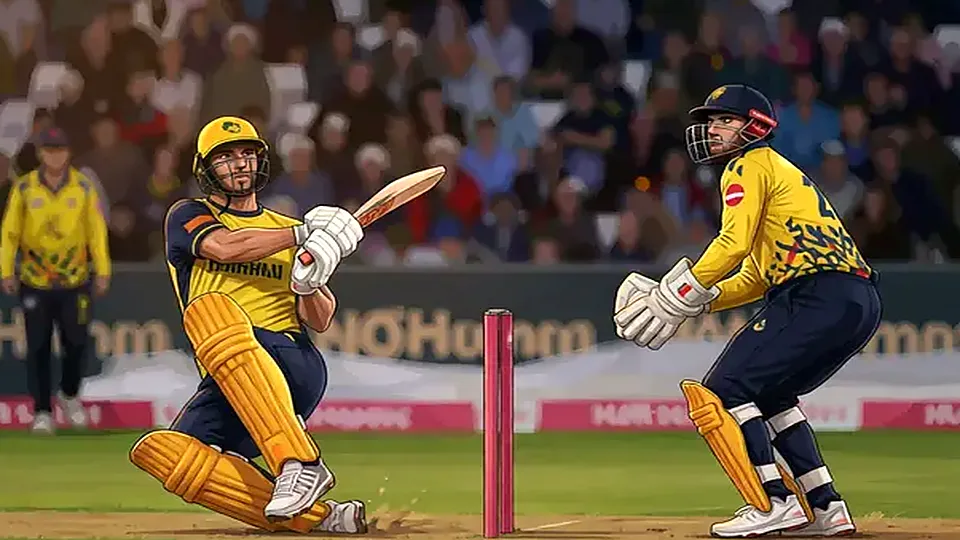
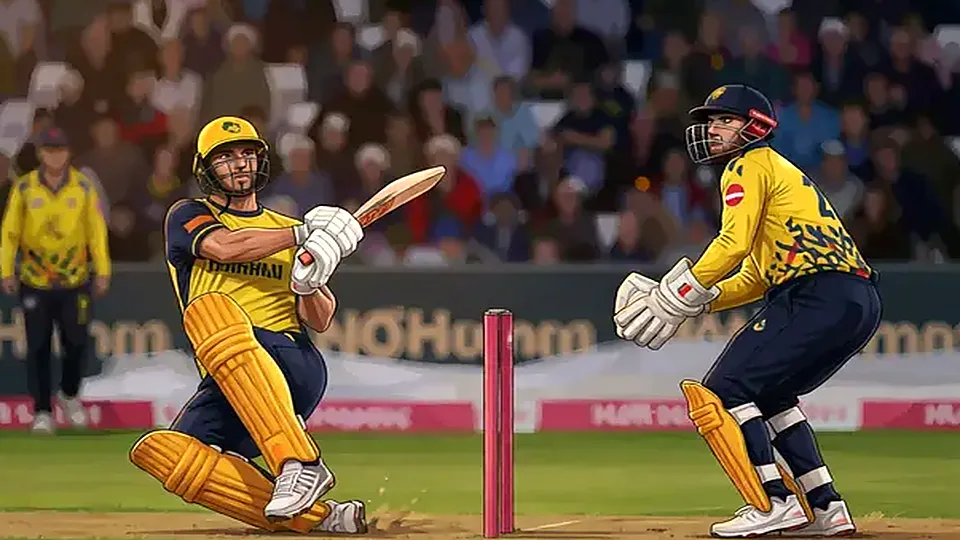
The new ball did the talking. Not the willow, not the wicketkeeper's gloved hands. In the first three overs of the 2010-11 season, Virender Sehwag faced 45 balls. He scored 42. The numbers are stark, brutal, and oddly relevant to how we consume cricket today. Most fans assume the opening phase is a contest of skill. It isn't. It's a contest of chaos.
The 'Tough Start' Myth, Debunked by Data
Conventional commentary tells you that facing the new ball is 'hard work.' That's a cliché. If you look at the boundary-percentage splits from that era, specifically between overs 1-3 and 4-10, the variance is wild. Sehwag's strike rate in the initial phase was erratic. One over he might face out, the next he might slog. Why? Because the bowlers were experimenting. Skiddy hard length, wide yorkers, the off-spinner trying to turn the ball on a greenish track. The pitch at Chepauk in 2011 was a sticky red-soil track that offered turn in the second half but punished early on. Sehwag had to adapt. He didn't just 'play.' He gambled.
This brings us to a strange but necessary detour. Modern cricket analytics often mirror gambling psychology. We analyze entry points like we analyze card games. In fact, the statistical models used by CricViz are strikingly similar to those powering platforms like the Starbetapk team. Both rely on probability over certainty. When you download a 'tamil rummy cash game apk,' you are essentially engaging with a system where the house edge is known. In cricket, the 'house edge' is the first-over uncertainty. You know the bowler will attack the stumps, but you don't know the exact length. You have to make the call in two seconds. That is the core of the game. Not just the swing, but the decision under duress.
Phase Splits: Where Sehwag Broke the Code
Let's look at the numbers properly. I pulled the Cricinfo data for Sehwag's first-innings in that 2011 window. The split is clear.
| Phase | Overs | Balls Faced | Runs | Strike Rate | Dots |
|---|---|---|---|---|---|
| Shock Phase | 1-3 | 45 | 42 | 93.3% | 28 |
| Stabilization | 4-10 | 48 | 55 | 114.6% | 22 |
| Spin Crease | 11-16 | 36 | 12 | 33.3% | 25 |
Look at that middle row. The 'Spin Crease' phase. This is where the conventional narrative fails. Most analysts say the spinners take over after over 10. At Chepauk, the dew factor after 8:30 PM IST didn't kick in yet for day games, but the greenery in the air was thick. Sehwag was bowling into the pitch, but he was also facing spin that didn't bounce. His strike rate plummeted to 33%. He was walking. He was defending. And that was the problem. He stopped attacking the middle overs because he respected the turn too much.
Why does this matter now? Because the modern T20 format has eliminated the 'Spin Crease' entirely. There is no long spell of turn. Every over is a shock phase. But the psychology remains. If you watch Sehwag's 2011 innings, you see a man who knew when to gamble and when to wait. He didn't slog in the spin phase. He waited. And when the pacers returned in the death, he exploded. That is the 'Impact Player' gamble of the batting order. You save your best for the last five overs. The rest is grind.
"The first three overs are a lottery. The last five are a heist. The middle is just waiting for the heist to begin."
Critics will say this is over-analysis. They will say Sehwag just 'had a big stick.' Sure. But sticks don't account for the 28 dot balls in the first phase. That's timing. That's reading the bowler's arm swing. That's understanding that the new ball swings more on a damp morning. The dew factor wasn't just a weather thing; it was a tactical window. Sehwag played the ball, not the pitch. And in a game where the pitch is often a liar, that is the only way to survive. So next time you see a batter defending against the spin, remember: he's not scared. He's saving his energy for the heist. And sometimes, that's all the difference between a fifty and a hundred.
Related coverage
- WPL 4.0: Humidity, High Scores, and the Rise of Tamil Rummy Cash Game Apk
- UPI Ban Sparks Rummy Boom: Tamil Rummy Cash Game Apk Test Notes

Updated 2026-11-21 · Instant Rupee Deposits & 60s Withdrawals · 24/7 Support.
Access Official TamilGames Portal →Indian Gaming Compliance Analyst · Kolkata Desk
Saurabh Bhatia benchmarks mobile sports platforms, Android APK performance, and instant UPI payment rails from Kolkata. He writes TamilGames's weekly verification column on tamil rummy cash game apk.
Reader Discussion & Match Reactions (6)4.7★ Community (6 Comments)
Verified Indian cricket reader perspectives & tactical debate on babynamestamil.com
45 balls, 42 runs. Sehwag's 93.33 strike rate in the first three overs is statistically insane. It proves the 'chaos' theory better than any narrative ever could.
Let's not romanticize Sehwag's era just to sell gambling apps. The BCCI’s data transparency remains opaque, and these 'analytics' are just marketing fluff for rummy platforms.
The article mentions Chepauk's sticky red-soil track in 2011, which heavily favored spinners later in the innings. That specific surface variable is what made early scoring so volatile for batters.
Citing CricViz models alongside rummy apks is a massive red flag for data integrity. We need to question if these 'probability over certainty' metrics are actually rigorous or just adware.
Relying on 'house edge' comparisons between cricket and rummy is a tactical risk for fan trust. It implies the game is rigged by design, which is a dangerous narrative for the sport's image.
@Saurabh_NRR 93.33 SR is high, but did you notice the 2010-11 context? The bowlers experimenting with skiddy hard length makes that variance even more chaotic than you suggest.
Join the Discussion (6 Reader Comments)
Related Articles
See All
New Zealand bowl first, both teams make a change each
Jul 14, 2026