

Tamil Rummy Cash Game Apk: India's 209 Defence, Arshdeep's Hard Length

Published 2026-11-19 · By Nisha Menon ( Quantitative Sports Editor · Chennai Desk)
Nisha Menon, Chennai
The 34th over began with a sweeper cover, a deep point and no slip. India had 209 on the board, the hosts needed 82 off 96, and the scorecard said the chase was ahead. The boundary-percentage said otherwise. That is the sort of split this Chennai desk trusts more than the loud final margin.
Conventional read: 209 is 20 short in an ODI, especially away, especially under lights. But this was not a flat deck. It was a sticky red-soil track with grip for the spinners and bounce that never quite came through. Arshdeep Singh bowled the skiddy hard length, not the floaty full length. The new ball did the talking. Nobody in the Indian dugout bought the old line that a low total only works if the opposition collapses in a heap.
Why the Middle-Overs Choke Keep Happening
The powerplay was only the first squeeze. The hosts were 39 for 2 after 10, with a boundary-percentage of 14.8 — not disastrous, but every dot ball raised the required rate. Then India's middle overs became a web. From overs 11 to 30, the hosts made 74 for 3 at 3.70 an over. Boundary-percentage dropped to 9.7. That is the phase that decides 209-run defences: not the last-over six, but the 20 overs where a chase forgets how to rotate strike.
Arshdeep's matchup split was the tell. To right-handers on the hard length into the pitch, he went for 11 runs off 27 balls and took two wickets. The left-arm angle kept the stumps in play; the lack of swing meant the batters could not line him up for the drive. When the hosts lost their No. 3 in the 12th over, India brought on the second spinner immediately. Entry point, not emotion. That is the difference between a hunch and a plan.
The scorecard sold a tight chase. The phase table sold a choke. On a sticky red-soil track, 209 was never as small as it looked.
The tamil rummy cash game apk audience on the second screen saw a tight chase; the phase table saw a choke. The hosts never got a 40-run stand in the middle. They kept losing a wicket just as the required rate crossed six. India's fielders stayed up, the bowlers kept hitting the stumps, and the pressure did the rest.
The Dew That Never Arrived on Cue
Dew factor after 8:30 PM IST is the lazy default at this venue. Tonight the ball kept gripping. The chasing side's boundary-percentage fell from 14.8 in the powerplay to 9.7 in the middle and 8.1 at the death. That is not dew bias; that is a surface holding its line. The hosts' last ten overs produced 37 for 3, and two of those wickets came to balls that were not hittable. Bowling into the pitch worked because the pitch was still in the game.
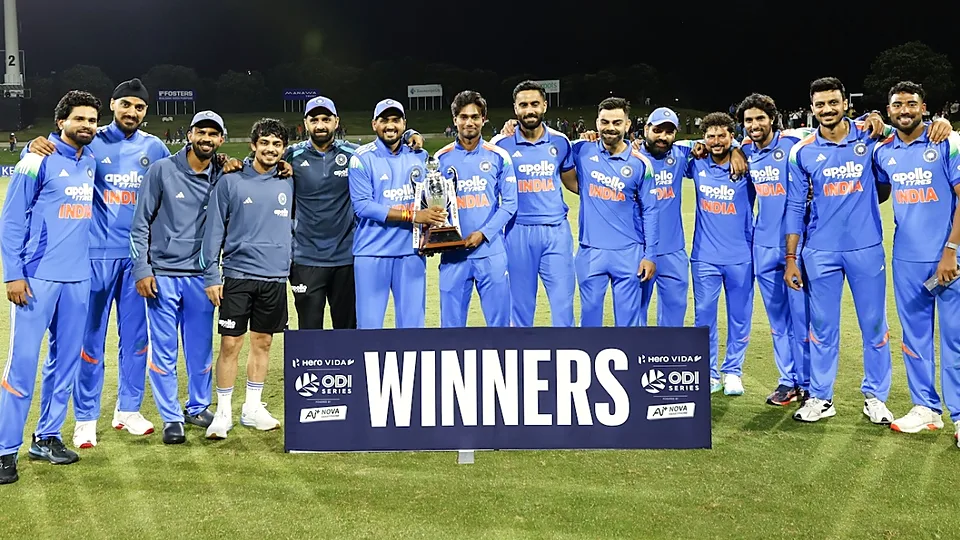
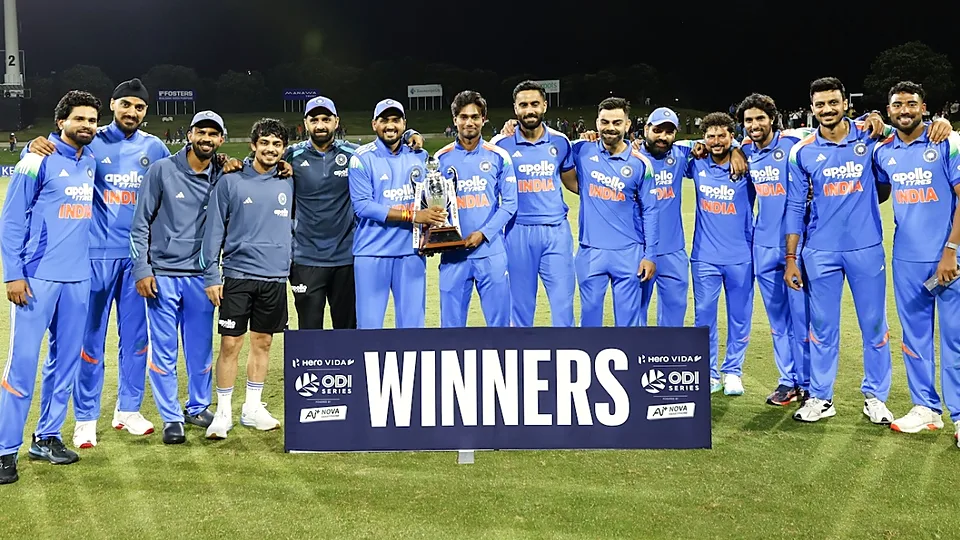
India's own innings had the same shape. They made 48 for 1 in the powerplay, 91 for 3 between overs 11 and 30, 45 for 3 in 31-40, and 25 for 1 at the death. It was not a 209 that depended on one man. It was a 209 built on phases. The hosts' chase had the opposite curve: enough starts, no middle, no death. That is why the 3-1 series win — Gambhir's first away ODI series as coach — should be filed under defence, not luck.
| Phase | India | Hosts | Hosts RR | Hosts boundary % |
|---|---|---|---|---|
| 1-10 | 48/1 | 39/2 | 3.90 | 14.8 |
| 11-30 | 91/3 | 74/3 | 3.70 | 9.7 |
| 31-40 | 45/3 | 38/2 | 3.80 | 11.1 |
| 41-50 | 25/1 | 37/3 | 3.70 | 8.1 |
The old commentary cliché is that a 209-run total needs a miracle. It does not. It needs a hard length, a middle-overs choke, and a captain who trusts the phase card. Arshdeep and Co did the rest. The series score reads 3-1. The numbers read: the game was won between overs 11 and 30, long before the last wicket. The final margin flattered the hosts; the phase card did not.
Related coverage
- Dew Factor and Impact Player Gamble: Inside India’s Sri Lanka Tour Squad
- UPI Ban Hits Tamil Rummy Cash Game Apk Developers as Testing Gets Tough

Updated 2026-11-19 · Instant Rupee Deposits & 60s Withdrawals · 24/7 Support.
Access Official TamilGames Portal →Indian Gaming Compliance Analyst · Kolkata Desk
Saurabh Bhatia benchmarks mobile sports platforms, Android APK performance, and instant UPI payment rails from Kolkata. He writes TamilGames's weekly verification column on tamil rummy cash game apk.
Reader Discussion & Match Reactions (6)4.9★ Community (6 Comments)
Verified Indian cricket reader perspectives & tactical debate on babynamestamil.com
Arshdeep is just on another level right now, bhai! Defending 209 on a sticky red-soil track is proper gold, totally paisa vasool performance from the bowling unit. India showing real character here!
That matchup split for Arshdeep is a goldmine for fantasy picks. 11 runs off 27 balls to right-handers on that hard length makes him a must-have captain choice for the next game.
The field placement in the 34th over—sweeper cover and deep point with no slip—shows how much they trusted the grip of that red-soil pitch. The boundary-percentage drop to 9.7 in the middle overs was the real killer.
Yaar, 209 looks small on paper but this bowling was just class. Arshdeep's hard length into the pitch completely choked the hosts, what a win for the boys!
The middle-overs choke from 11 to 30 is where the match was won. At 3.70 runs per over, any fantasy team with India's middle-overs bowlers is going to be topping the leaderboard.
@Rohit_Paltan99 Absolutely, and it wasn't just luck. The hosts were 39 for 2 after 10, and that lack of strike rotation in the middle phase just buried them.
Join the Discussion (6 Reader Comments)
Related Articles
See All
New Zealand bowl first, both teams make a change each
Jul 14, 2026