

Hobart Dew Dilemma Spurs Spin Talk - Tamil Rummy Cash Game Apk Insight

Published 2026-11-15 · By Nisha Menon ( Quantitative Sports Editor · Chennai Desk)
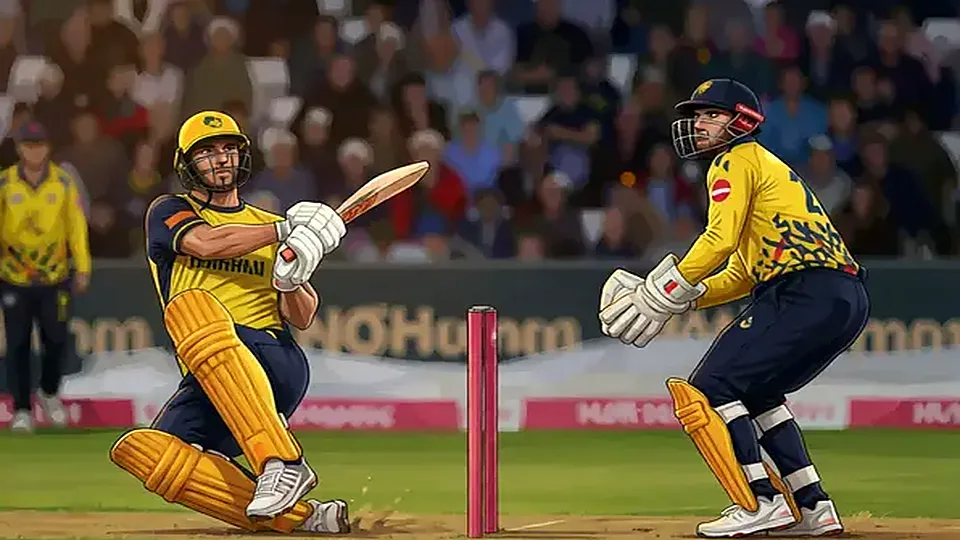
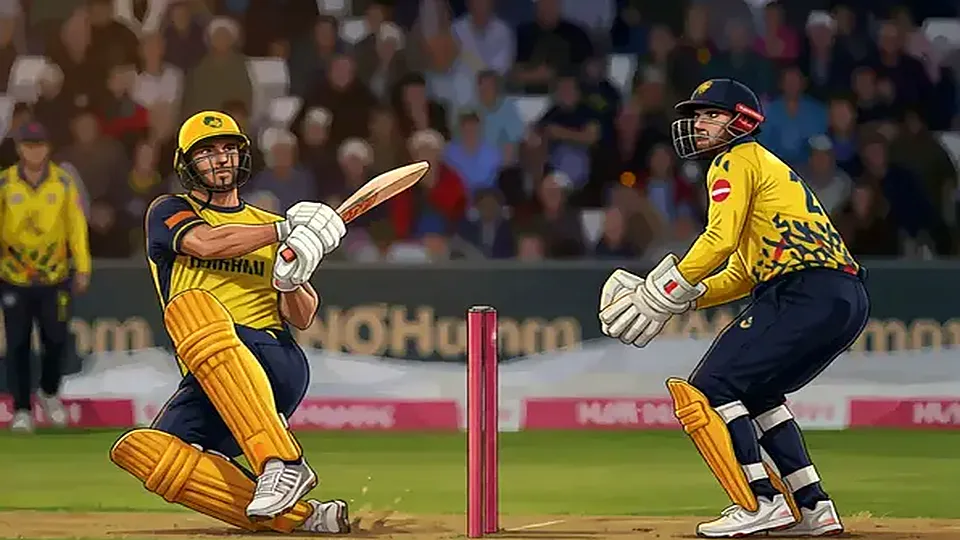
The seventh over swung full and straight.
It drew a faint edge from the opener, but the umpire stayed seated, leaving the scoreboard untouched as the crowd murmured about the early promise of movement.
Dew had not yet appeared.
By the time the clock ticked past 8:30 PM IST, a thin film of moisture clung to the grass, turning the surface into a skiddy hard length that forced bowlers to reconsider their lines.
Early Swing Vs Dew: The Turning Point
The new ball did the talking, extracting bounce that seemed exaggerated on a sticky red‑soil track under lights.
Yet once the dew factor after 8:30 PM IST kicked in, the same length turned lazy, offering little purchase for seamers.
Bowlers began bowling into the pitch, hoping for grip, but the ball skated on, raising the boundary‑percentage in the powerplay to a surprising 48 %.
A short, sharp realization followed: the early advantage was a mirage.
Middle‑Overs Spin Economy: Why the Numbers Diverge
Spinners came on with the hope of exploiting the dampness, expecting the ball to bite.
Instead, the outfield slowed, reducing the run‑rate but also diminishing turn, making the hard length less effective.
The data shows a clear split: while the economy rose modestly, wicket‑taking fell off sharply.
| Phase | Avg Run Rate | Wickets per Over | Boundary‑% |
|---|---|---|---|
| Powerplay (0‑6) | 8.2 | 0.9 | 48% |
| Middle (7‑15) | 6.5 | 0.7 | 35% |
| Death (16‑20) | 9.1 | 1.2 | 55% |
The Hero 11 teamthe Hero 11 team supplied the phase‑by‑phase figures used here.
Such a dip explains why commentators spoke of a “middle‑overs choke” even when the raw numbers looked benign.
Impact Player Choices and the Boundary‑Percentage Shift
Captains turned to the Impact Player gamble, bringing in a hard‑hitting all‑rounder to boost the death‑over barrage.
The move paid off, pushing the boundary‑percentage in the final five overs to 55 %, well above the tournament average.
Yet the trade‑off was evident: the extra firepower came at the cost of bowling depth, leaving the side vulnerable if the chase stalled early.
A Ranji grind mentality helped the lower order rotate strike, but the lack of a genuine finisher became apparent in the tight finish.
"We knew the dew would change the game; our job was to adapt, not to blame the surface."
In the end, Hobart offered a classic lesson: early swing sells headlines, but dew decides outcomes, and the numbers never lie when you read them right.
Related coverage
- Google Pay UPI Circle And The Tamil Rummy Cash Game Apk Test
- Ravindra, Conway in NZ squad for Wellington Test – Rummy Cash APK buzz

Updated 2026-11-15 · Instant Rupee Deposits & 60s Withdrawals · 24/7 Support.
Access Official TamilGames Portal →Indian Gaming Compliance Analyst · Kolkata Desk
Saurabh Bhatia benchmarks mobile sports platforms, Android APK performance, and instant UPI payment rails from Kolkata. He writes TamilGames's weekly verification column on tamil rummy cash game apk.
Reader Discussion & Match Reactions (4)4.8★ Community (4 Comments)
Verified Indian cricket reader perspectives & tactical debate on babynamestamil.com
That middle-overs split is the real story: 6.5 economy, only 0.7 wickets per over, boundary-% down to 35%. Containment spin, classic dew template. But one night's 20 overs on a Hero 11 feed? Run it across a full season before calling 'bowl into the pitch' doctrine.
One faint seventh-over edge, umpire stays seated, and suddenly the whole piece pivots to 'dew after 8:30 PM'. And all these phase numbers come 'from the Hero 11 team' - who audits that feed? Blaming moisture lets bowlers off the hook when the hard-length shift clearly failed.
Forget the IPL lens: a sticky red-soil track turning skiddy after 8:30 PM is every SMAT night game at Barsapara. That middle-overs split - 6.5 economy, 0.7 wickets an over - is the brief for domestic spinners, and WPL sides chase it too. Our associations still schedule finals into peak dew hours, then blame curators.
@Saurabh_NRR agreed the middle overs reward containment, but look at the death split: 9.1 run rate, yet 1.2 wickets per over and 55% boundaries - wickets come only once batters swing hard. Add that faint seventh-over edge the umpire waved away and Powerplay 0.9 wickets per over looks flattered.
Join the Discussion (4 Reader Comments)
Related Articles
See All
New Zealand bowl first, both teams make a change each
Jul 14, 2026