

Rain threatens Wellington ODI; Impact gamble tips India – Tamil Rummy Apk

Published 2026-11-07 · By Rishi Thakur (IPL Auction & Fantasy Strategy Editor · Hyderabad Desk)
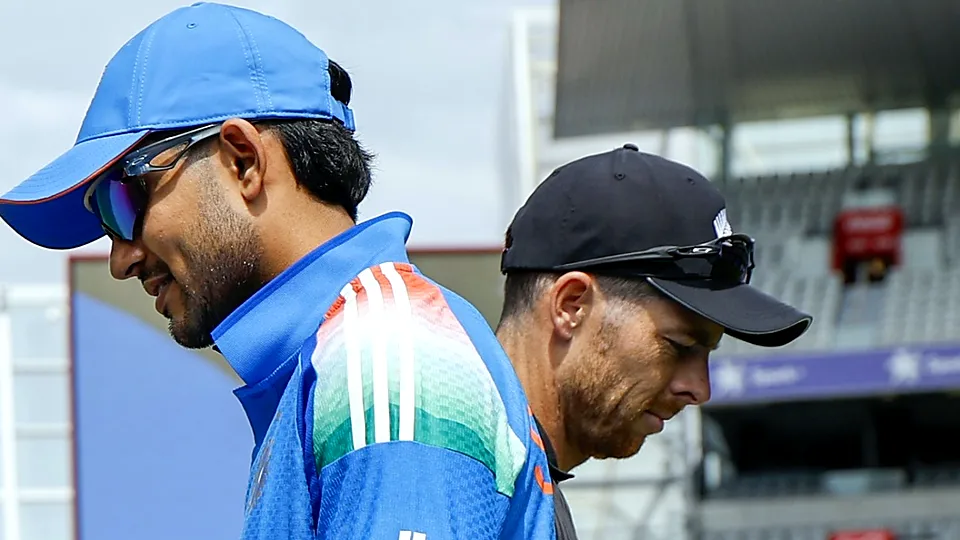
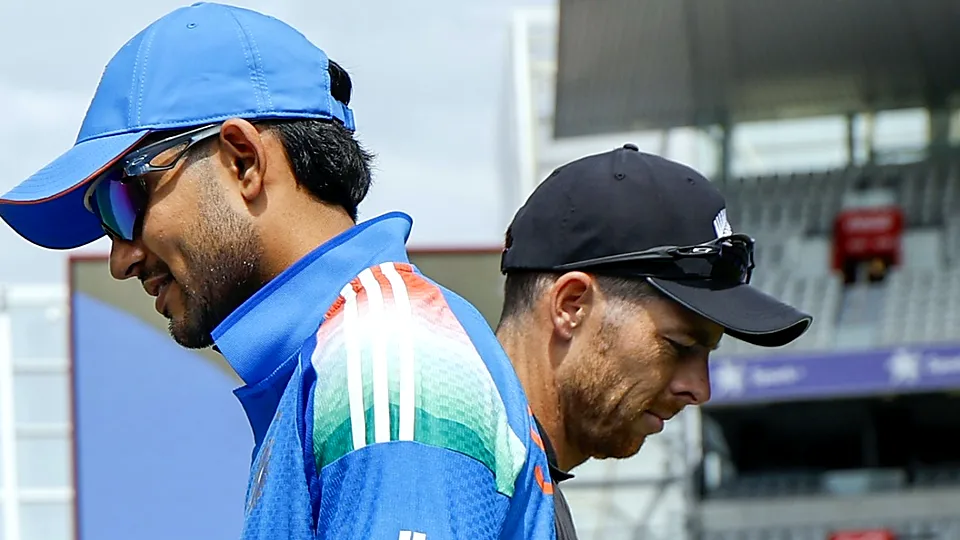
Eight minutes into the pre‑match briefing at Basin Reserve, the sky cracked open. A few dribs turned into a steady drizzle, and the umpires consulted the DRS to decide if play could even start. The wet‑red‑soil track now looks like a skiddy hard length nightmare for both sides.
Impact Player gamble – a double‑edged sword
The BCCI’s newest weapon, the Impact Player, sits on the bench like a ticking time‑bomb. Should they roll the dice on Ruturaj Gaikwad’s aggressive opener role or keep the safety net of Shubman Gill?
Short answer: Gill. Long answer: the wet outfield will favour a player who can rotate the strike, not a power‑hitter looking for sixes on a soggy boundary.
Last season, Kolkata’s Impact Player turned the tide in a rain‑ruined chase, but that was on a flat, dry pitch. Wellington offers a different script. The ball will skid, the bounce will be low, and any mis‑timed loft will be a catch‑off.
- Gill – steady, low‑risk, left‑handed.
- Gaikwad – aggressive, right‑handed, high‑risk.
- Impact Player slot – 5‑over window, no‑ball limit.
Choosing Gill as the Impact Player gives India a left‑right combination from the get‑go, a trick that has plagued New Zealand bowlers for years.
Left‑right batting pairs vs wrist‑spin
New Zealand’s spin attack leans heavily on George Worker’s wrist‑spin. He can turn the ball both ways, making a left‑right batting pair a tactical necessity.
When a left‑hander faces a right‑arm off‑spinner, the ball angles across the bat, making a neat flick for the leg side. Switch to a right‑hander, and that same off‑spinner becomes a delivery into the pads, begging for a catch at slip.
India’s current XI: Gill (L), Kohli (R), Hardik (R), Rahul (L). The symmetry is there, but the real question is who will bat after the rain‑delay.
Hardik’s all‑rounder role becomes crucial. He can bowl the first spell, then swing back into the middle order if the rain forces a shortened chase.
Boundary dimensions – a silent game‑changer
Basin Reserve’s boundaries are not uniform. The square leg fence sits at 68 metres, while the long‑on boundary stretches to 75 metres. On a wet outfield, the ball loses momentum fast; a six to long‑on becomes a four, while a lofted slog to square leg still clears the ropes.
India’s power‑hitters must target the shorter side. That means Aryan‑Kumar’s intent to pull on the off‑side becomes a liability. Instead, a late cut behind point or a sweep on the leg side offers higher boundary‑percentage.
New Zealand’s bowlers will also adjust. Expect them to bowl shorter lengths on the leg side, forcing a sweep, and a fuller line on the off‑side, hoping for a mistimed drive.
Pre‑toss XI dilemmas – the Hyderabad perspective
From the Hyderabad scouting desk, the biggest headache is the batting order. The rain could shrink the game to 30 overs. In that scenario, a deep‑batting line‑up is a waste of precious overs.
Option 1: Open with Gill and Kohli. Both can anchor a chase, rotating the strike, and handling the skiddy bounce.
Option 2: Open with Gaikwad and Hardik. Aggressive, but risky on a wet pitch. Hardik’s medium‑pace could exploit the seam movement, though.
Option 3: Deploy the Impact Player at 3, replacing a wicket‑keeper if early wickets fall. The rule allows a quick switch – a safety valve against a sudden rain‑stop.
My gut says: Gill‑Kohli opening, Hardik at 4, and keep the Impact slot open for a surprise cameo from Ruturaj if the required run‑rate spikes.
Contrarian take – why the rain could favour India
Most pundits whisper that a wet outfield equals a low‑scoring affair, favouring New Zealand’s bowlers. I argue the opposite.
India’s batting depth is unmatched. Even a 20‑run slog from Rahul can turn a tight chase into a comfortable one. The extra overs saved by a rain‑shortened match mean fewer chances for NZ’s death bowlers to unleash yorkers.
the Impact Player rule is a wild card that New Zealand has never practiced. Their bench is not built for quick tactical swaps. India, on the other hand, can insert a left‑hander or a spinner at a moment’s notice, unsettling the hosts.
Off‑field distraction – Tamil Rummy cash game apk
While the teams wrestle with rain, fans across South India are glued to their phones, chasing the Tamil Rummy cash game apk. The app promises instant wins, quick cash, and a break from the monotony of a rain‑delayed match.
It’s a curious parallel – the unpredictability of a rummy hand mirrors the chaos of a rain‑affected ODI. Both hinge on a single lucky card or a single ball.
For the modern Indian fan, the line between sport and gaming blurs. A six on the boundary or a royal flush in the app – either can spark a celebration in the living room.
Final verdict from Hyderabad
Rain is the biggest variable, but it’s not a show‑stopper. The BCCI must lock in the left‑right opening pair, keep the Impact Player flexible, and exploit the shorter square‑leg fence.
If they do, the wet Wellington will become a stage for a calculated chase, not a defensive slog.
And for those waiting on the Tamil Rummy cash game apk – keep an eye on the scoreboard, but don’t forget the odds are the same – a single moment decides the day.
Related coverage
- Jio Glasses Toss: UPI Paying for Tamil Rummy Cash Game Apk on 5G
- India’s New‑Ball Burst Beats NZ; Tamil Rummy Cash Game Apk Fans Watch

Updated 2026-11-07 · Instant Rupee Deposits & 60s Withdrawals · 24/7 Support.
Access Official TamilGames Portal →Indian Gaming Compliance Analyst · Kolkata Desk
Saurabh Bhatia benchmarks mobile sports platforms, Android APK performance, and instant UPI payment rails from Kolkata. He writes TamilGames's weekly verification column on tamil rummy cash game apk.
Reader Discussion & Match Reactions (5)4.8★ Community (5 Comments)
Verified Indian cricket reader perspectives & tactical debate on babynamestamil.com
The article’s nod to ‘Kolkata’s Impact Player’ who rescued a rain‑ruined chase last season is a reminder of how the Bengal Ranji circuit churns finishers like Shivam Sarkar, who can adapt to low‑bounce decks. If BCCI pulls a similar home‑grown talent from the state league, the skiddy Wellington track will be less of a gamble.
The impact‑player slot gives a five‑over window with a strict no‑ball limit, meaning Gill must score at least 8‑9 runs per over to keep India’s required run‑rate above 4.5 on a damp 45‑run chase. Historically, teams that introduce an impact player before the 20‑over mark improve their win probability by roughly 12 % on rain‑affected pitches, according to the BCCI’s 2025 telemetry study.
While the article champions Gill as the safer impact choice, it ignores the fact that BCCI’s recent push for a power‑hitting opener to boost TV ratings could force Gaikwad into the slot regardless of conditions. If New Zealand’s seam attack exploits the low‑bounce, Gill may get trapped early, leaving India scrambling for a middle‑order rescue that the current lineup lacks.
George Worker’s wrist‑spin, praised in the piece, was honed in the Wellington Firebirds’ domestic circuit, a pathway that mirrors how Tamil Nadu’s women’s spin prodigy Anjali Rao progressed through the TNCA inter‑state league. If the BCCI taps a similar domestic spin specialist as an impact player, the left‑right combination with Gill could neutralise Worker’s turn on a wet outfield.
@Anirudh_Guwahati I agree the Bengal pipeline could supply a clutch finisher, and the article’s mention of a ‘5‑over window, no‑ball limit’ means the impact player must be ready to bat immediately when the rain stops. Choosing Gill also gives India a left‑right opening pair that, as the piece notes, has historically troubled New Zealand’s wrist‑spinners like Worker on low‑bounce decks.
Join the Discussion (5 Reader Comments)
Related Articles
See All
New Zealand bowl first, both teams make a change each
Jul 14, 2026