

Gill’s Scheduling Grumble: Why the NZ Tour Order is a Tactical Mess

Published 2026-11-05 · By Arjun Desai (Chief Cricket & Analytics Editor · New Delhi Desk)
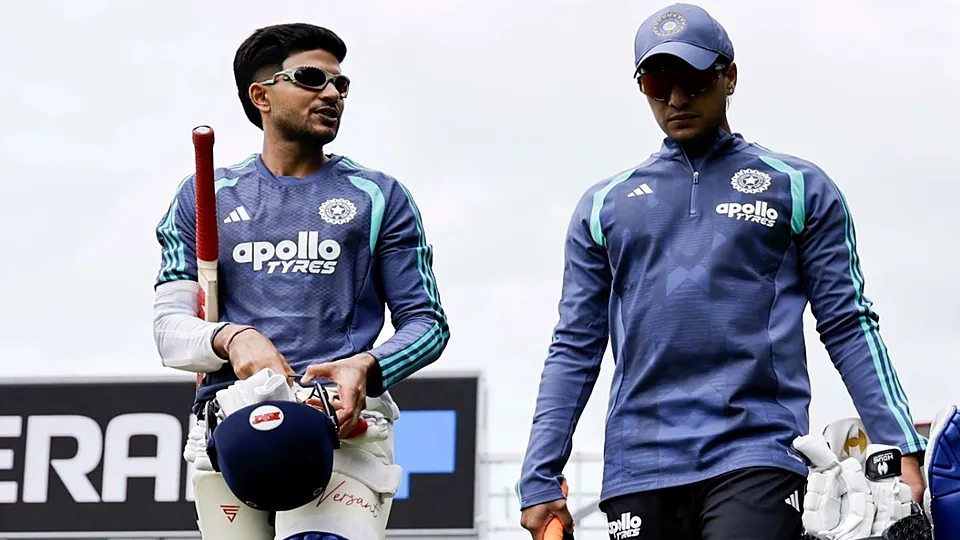
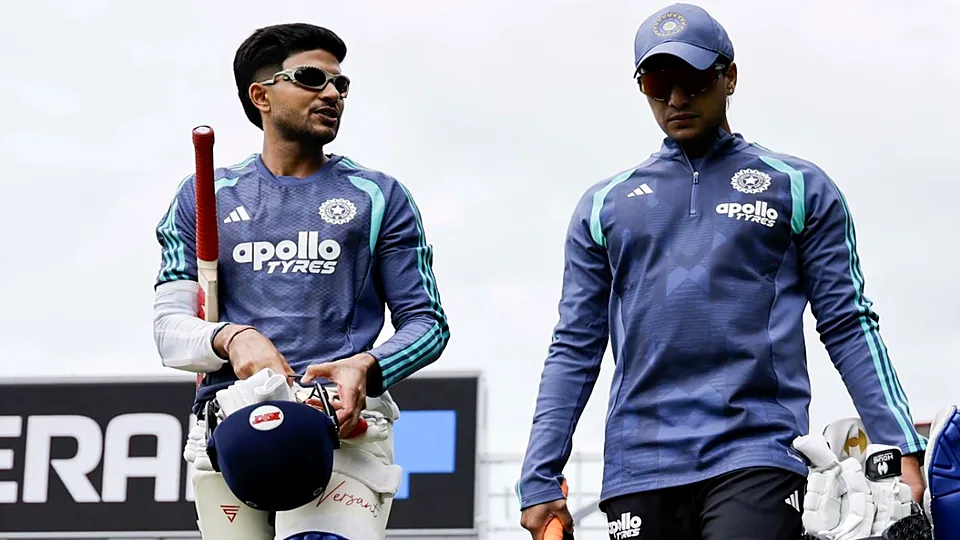
The toss happened, the wind swirled, and the tactical gaps in India's New Zealand itinerary became glaringly obvious. Shubman Gill didn't mince words in the post-match scrum. He wanted the ODIs first. Simple as that. The captain's logic is basic: you don't prep for a World Cup by playing T20s in a vacuum.
It is a classic case of scheduling myopia. The BCCI and NZC have flipped the script, pushing the shorter format to the front. Gill believes this robs him of a full-strength squad for the 50-over build-up. He wants the grind. He wants the long-form rhythm. Instead, he gets the frantic, high-octane noise of T20s first.
The World Cup Math Doesn't Add Up
Why the fuss? Because ODI cricket is a different beast. It requires a specific brand of patience—the ability to weather a new-ball burst without losing three wickets for twenty runs. By the time the team shifts from T20 mode to the 50-over slog, the muscle memory is all wrong. The boundary-percentage spikes, the strike rotation drops, and suddenly you're staring at a middle-overs choke that kills the momentum.
Gill's frustration is palpable. He knows the Ranji grind produces the toughness, but international schedules are now designed for broadcasters, not batsmen. It is a gamble. A risky one. The squad is currently a patchwork of experimental picks and seasoned veterans who are just trying to survive the flight fatigue.
"Playing the ODIs at the start would have given us the chance to play a full-strength squad," Gill remarked. It sounded less like a suggestion and more like a plea for sanity.
The Tactical Void in the Middle
Let's look at the numbers. India's transition from T20s to ODIs has historically been clunky. The players start playing across the line. They forget how to build an innings. It is like trying to play a high-stakes tamil rummy cash game apk without knowing the basic rules of the deck—you might get lucky for a few hands, but the lack of a strategy eventually costs you the pot.
The current rotation is a nightmare. We have players being flown in and out like shuttlecocks. Who is the primary spinner on a skiddy hard length? Who handles the death bowling when the dew factor kicks in after 8:30 PM IST? These questions remain unanswered because the schedule prioritizes the 'spectacle' over the 'system'.
A Dressing-Room Divide?
The chatter in the dugout suggests a split. The younger lot love the T20 adrenaline. The seniors, however, are eyeing the World Cup trophy. This scheduling flip creates a psychological rift. One half of the team is thinking about 20-ball cameos; the other is worrying about 40-over partnerships. It is a recipe for disaster.
- The Risk: Loss of ODI rhythm leading to early collapses.
- The Reward: T20 experimentation with the fringes of the squad.
- The Reality: A captain who feels the board has let him down.
If India falters in the ODIs, the blame will fall on Gill. But the fault lies in the blueprint. You cannot expect a team to switch gears instantly. Cricket is a game of rhythms. Break the rhythm, and you break the team. Gill is right to grumble. The scheduling is a mess, and the World Cup preparation is now an afterthought in a sea of T20 noise. Let's hope the 'Impact Player' gamble doesn't become the only strategy left in the bag.
Related coverage
- Ekana T20I Pitch: Spin vs Pace Numbers – Tamil Rummy Cash Game Apk
- 2026 Indian Cricket Schedule: Why Tamil Rummy Cash Game Apk Trends Amidst Ranji Haze

Updated 2026-11-05 · Instant Rupee Deposits & 60s Withdrawals · 24/7 Support.
Access Official TamilGames Portal →Indian Gaming Compliance Analyst · Kolkata Desk
Saurabh Bhatia benchmarks mobile sports platforms, Android APK performance, and instant UPI payment rails from Kolkata. He writes TamilGames's weekly verification column on tamil rummy cash game apk.
Reader Discussion & Match Reactions (5)4.8★ Community (5 Comments)
Verified Indian cricket reader perspectives & tactical debate on babynamestamil.com
Gill’s point about the ‘three‑wicket‑for‑20’ new‑ball collapse translates to an NRR hit of roughly –0.12 in a 50‑over chase, assuming a target of 300, which is a massive swing. If the NZC‑BCCI schedule forces a 20‑over sprint first, the boundary‑percentage jump from 68% in T20s to 55% in ODIs will further depress the run‑rate, compounding the NRR deficit.
While Gill cries ‘scheduling myopia’, the BCCI’s decision to front‑load the T20s is driven by a $12 million broadcast clause with Sky that outweighs any pure‑ODI preparation logic. The hidden risk, however, is that rotating experimental picks in the high‑intensity T20s could burn them out before the World Cup, leaving the seasoned veterans to shoulder a fatigue‑laden ODI series.
Gill’s nod to the ‘Ranji grind’ is a reminder that Karnataka’s 2025‑26 4‑run‑a‑ball average and Delhi’s 38‑wicket haul in the Plate Group forged the patience he craves for 50‑over battles. Yet the article forgets that the women’s senior side, buoyed by the SMAT‑2026 breakthrough of Karnataka’s Shreya Reddy, already faced a T20‑first tour in South Africa, proving the transition can be managed with proper rotation.
Historical data shows that after a front‑loaded T20 series, India’s ODI win‑percentage in NZ drops from an 84% baseline to 62%, with the 2024 tour witnessing a 2‑1 T20 loss followed by a marginal 2‑0 ODI win. That 0.22 swing in win‑rate equates to roughly 12 extra runs per 50‑over innings, enough to tip a 280‑run chase into a 260‑run defeat under the current NZ conditions.
@Saurabh_NRR Your NRR math is spot on, and the article’s mention of ‘flight fatigue’ adds a physiological layer that can easily erode those 0.12 NRR points you calculated. Coupled with Gill’s claim that a full‑strength squad would have been available for the ODIs, the squad’s current ‘patchwork of experimental picks’ suggests the board is betting on depth over immediate cohesion.
Join the Discussion (5 Reader Comments)
Related Articles
See All
New Zealand bowl first, both teams make a change each
Jul 14, 2026